Learning Through Play
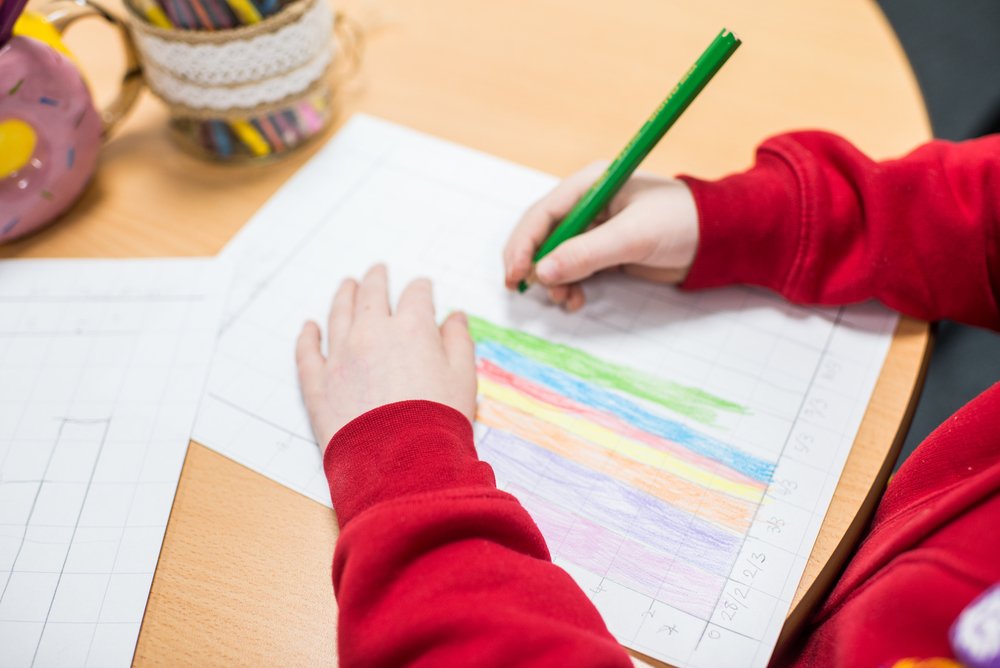
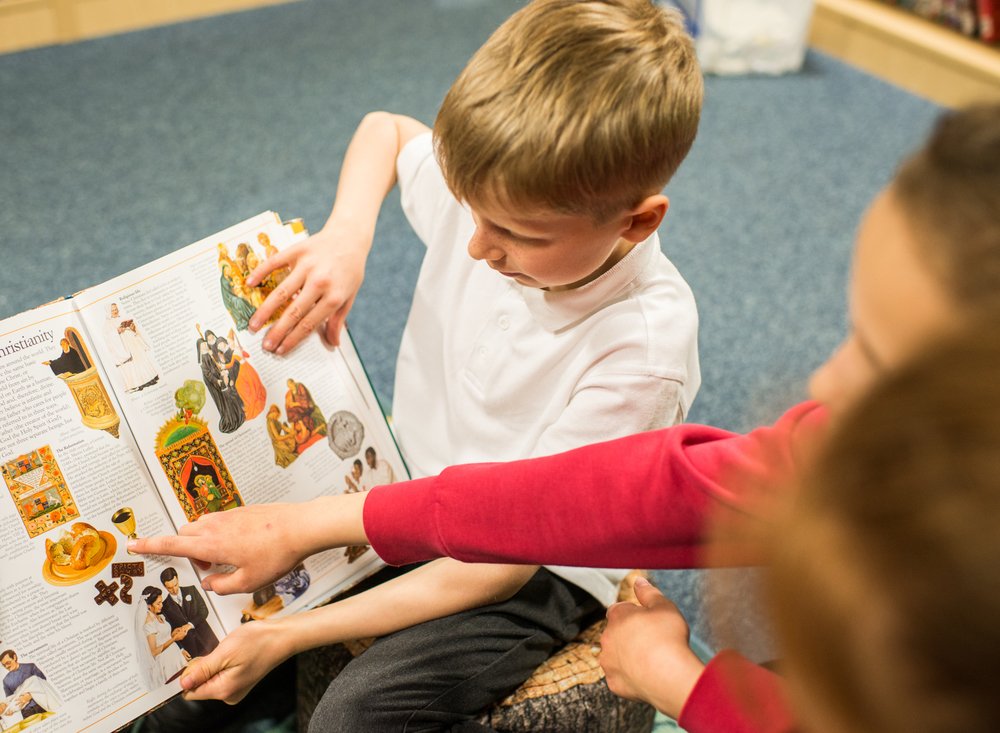
Play is fundamental in the Early Years Foundation Stage (EYFS) because it is the primary way young children learn and develop across all areas. In EYFS, play is not just “fun”; it is a critical educational tool through which children learn, develop skills, and build a foundation for lifelong learning, supporting their physical, cognitive, social, and emotional growth.
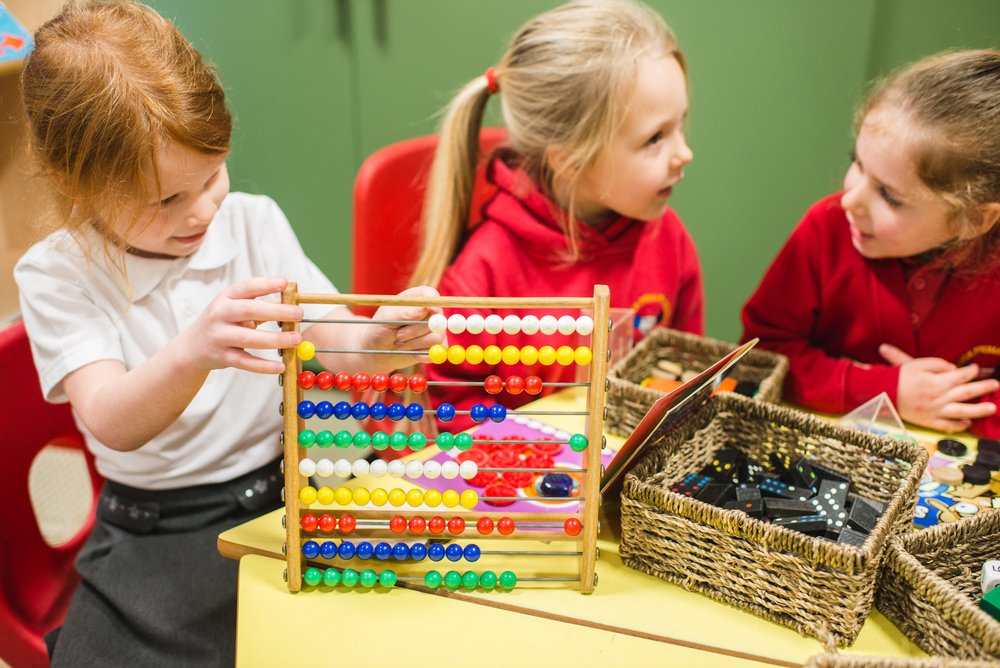
Through play, children develop across all areas of learning. In the prime areas—communication and language, physical development, and personal, social, and emotional development—children build language skills, coordination, confidence, and empathy. In the specific areas—literacy, mathematics, understanding the world, and expressive arts and design—they explore concepts, practice problem-solving, and use imagination and creativity. Play also enhances cognitive development by encouraging curiosity, experimentation, and reasoning. It allows children to test ideas and understand cause-and-effect relationships, such as what happens when building blocks are stacked too high. Through role-play and storytelling, children develop communication and language skills, while social interactions foster cooperation, turn-taking, and empathy.
Furthermore, play supports independence and decision-making, as children choose what and how to play. This nurtures autonomy, self-regulation, planning, and reflection—skills essential for lifelong learning. Play also provides a natural motivation to learn, making children more engaged and helping them retain knowledge more effectively.
Adults play a vital role in supporting this learning. They spend much of their time interacting with children, modelling language, sharing ideas, scaffolding play, revisiting learning, and building on prior knowledge. These quality interactions help develop sustained thinking skills and extend learning opportunities, supporting children to become confident, motivated, and independent learners who thrive in a diverse world.
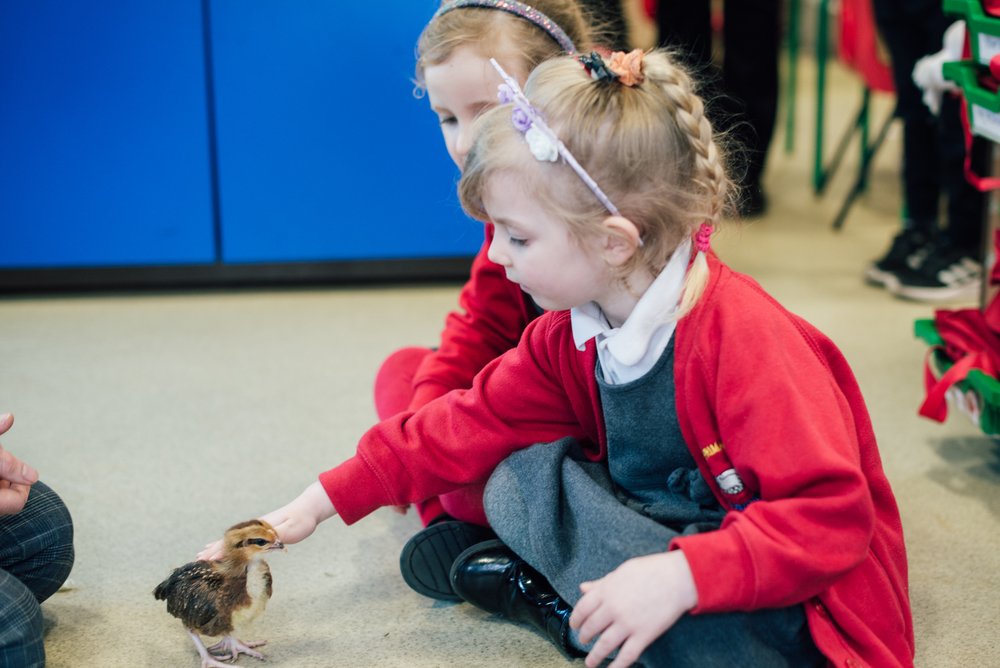
Outdoor learning is also an essential part of our approach. We spend as much time as possible outside, including regular walks and visits to our school garden and woods, providing rich opportunities for exploration, curiosity, and physical development.
Continuous Provision
Our Continuous Provision marries together what we know about the skills children need to develop at each stage of their development, their common interests and the learning opportunities from Development Matters, Birth to Five and the Statutory Framework. This ensures continuity and progression as our pupils move through Nursery to Reception and into KS1.
The continuous provision in a Nursery setting may include the same areas as a Reception classroom but our Continuous Provision Progression document ensures that the resources within those areas will differ to reflect the development of the children and to build on prior experiences, knowledge and skills.
Enhanced Provision
Enhanced provision is when adults add, adapt, or extend resources in an area of continuous provision to deepen learning or support specific skills, without turning it into a formal adult-led activity. carefully planned additions or improvements are made to the learning environment that build on children’s interests, needs, or next steps, while still allowing them to learn through child-initiated play
Child Initiated Play
Child-initiated, child-led play is play that is started, chosen, and directed by the child, based on their own interests, ideas, and curiosity rather than being planned or led by an adult. Children decide what to play with, how the play develops, what the rules are, and when it comes to an end. This type of play is open-ended and flexible, allowing learning to develop in different ways and at the child’s own pace. Adults do not set specific outcomes, but observe carefully and may join sensitively to support learning, extend thinking, or model language without taking control. Child-initiated, child-led play encourages creativity, problem-solving, independence, and rich communication and social interaction, and may last for a short time or continue for extended periods depending on the child’s engagement.
Adult led direct whole class teaching
Whole class direct teaching in the EYFS is a short, adult-led session where the practitioner teaches all children together with a clear learning intention. The adult leads the activity, models’ skills, introduces new concepts, and uses questioning, demonstrations, or stories to support understanding. Activities are practical and interactive, encouraging children to actively participate rather than sit and listen for long periods. These sessions are carefully planned to be age-appropriate and engaging, recognising young children’s limited attention spans, and support learning that can later be explored and reinforced through play and child-initiated activities. Whole class and small group direct teaching is engaging, build on prior knowledge and match the needs of our pupils and our curriculum.
Adult led group learning
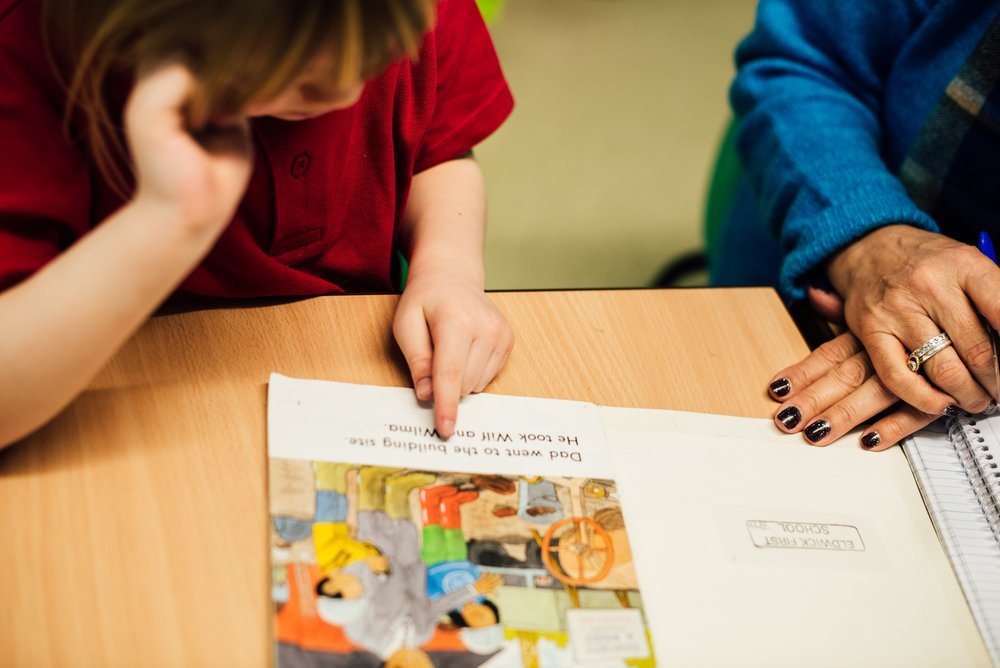
Adult-led group work usually follows on from a whole class input. It involves a practitioner working with a small group of children to reinforce, practise, or extend the learning introduced during direct teaching. The adult guides the activity with a clear focus, providing targeted support, modelling skills, and asking questions to deepen understanding. These sessions are practical and interactive, allowing children to engage actively while enabling adults to differentiate learning, address individual needs, and assess children’s understanding more closely before they apply their learning independently through play.